Primitive Reflex Integration
Rebuilding the Neurological Foundation for Movement, Learning, and Emotional Regulation
Neurogenesis Brain & Spine's Primitive Reflex Integration is a foundational neurological approach designed to help the brain and nervous system function more efficiently. By identifying and integrating early reflex patterns that should have matured in childhood, we help the nervous system move out of survival mode and into a state of balance, control, and resilience.
What Are Primitive Reflexes?
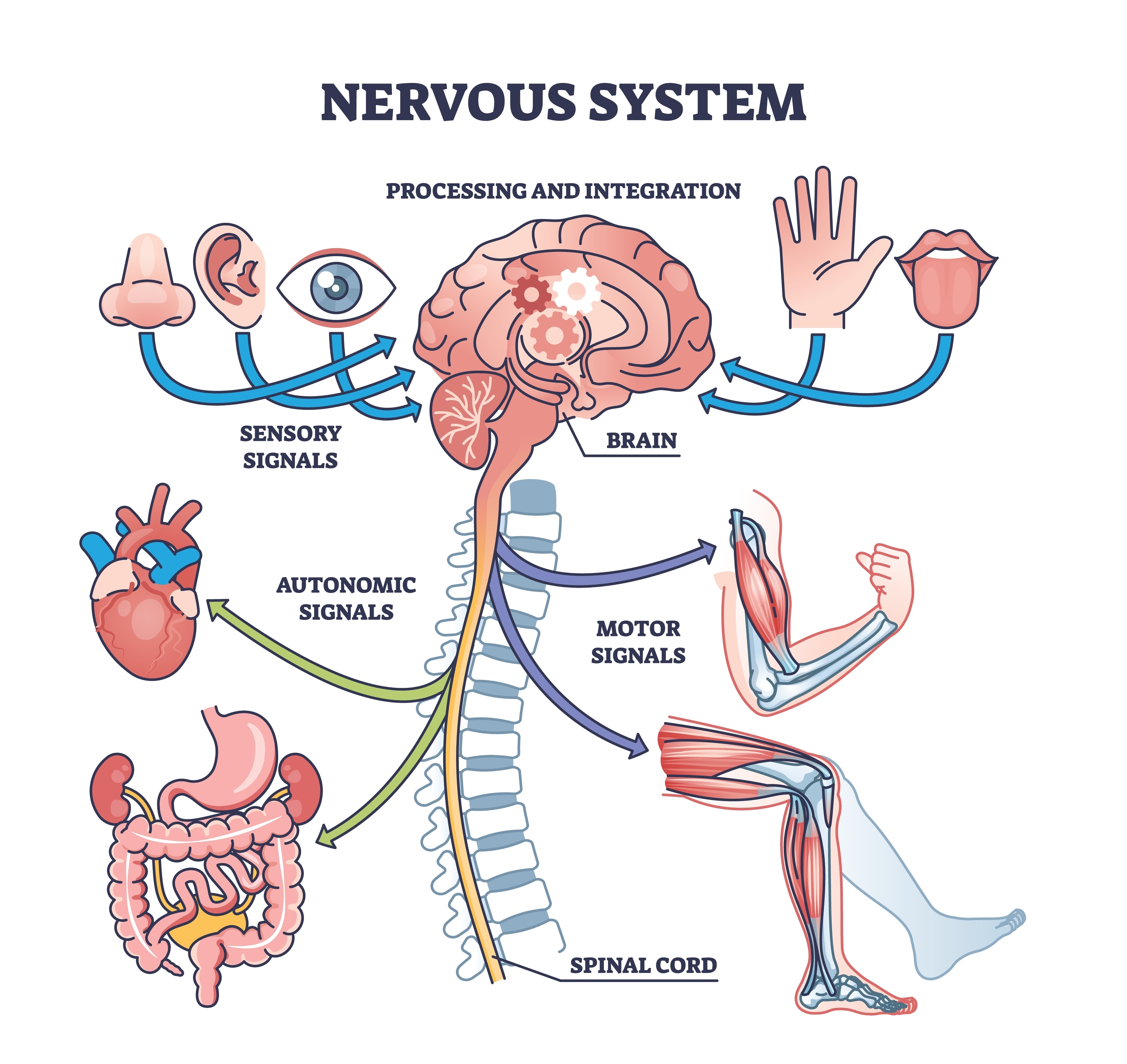
Primitive reflexes are automatic, involuntary movement patterns that originate in the brainstem during infancy. These reflexes are essential for early survival and development—helping infants breathe, feed, roll, crawl, and begin interacting with their environment. They also play a critical role in building the early wiring of the nervous system.
As the brain develops and matures, these reflexes are designed to integrate, meaning they fade into the background as higher brain centers take over control. This transition allows the brain to organize:
Purposeful movement
Emotional regulation
Attention and learning
Posture, balance, and coordination
When primitive reflexes do not fully integrate, the nervous system remains partially locked into early survival patterns. This can cause the brain to work harder than necessary and often leads to inefficient movement, difficulty focusing, heightened stress responses, and emotional dysregulation—well into adulthood.
Why Primitive Reflex Integration Is So Important
Primitive reflex integration forms the foundation of the entire nervous system. It directly impacts how the brain communicates with the body and how efficiently higher brain centers can function.
Key Ways Reflex Integration Supports Brain Health:
Builds Strong Brain Connections
Reflex integration strengthens communication pathways between the brainstem, cerebellum, and higher cortical areas. These connections are essential for executive function, emotional control, decision-making, attention, and learning.
Supports Nervous System Maturity
When reflexes integrate properly, the nervous system shifts from automatic, reflex-driven reactions to intentional, controlled responses. This allows the brain to respond thoughtfully instead of reacting defensively.
Enables Efficient Movement
Integrated reflexes allow the body to move smoothly and efficiently. Balance, coordination, posture, and motor planning all improve when the nervous system is no longer compensating for retained reflexes.
Creates A Sense of Safety
A regulated nervous system helps the brain feel safe. When the brain perceives safety, it becomes more adaptable, resilient, and capable of learning, healing, and self-regulation.
Signs Your Nervous System May Be Working Harder Than It Should
Retained primitive reflexes can show up differently in each person, but common signs include:
Poor balance or coordination
Difficulty sitting still or maintaining posture
Easily overwhelmed by stress
Emotional reactivity or difficulty calming down
Fatigue or chronic physical tension
Learning or focus challenges
Visual tracking or reading difficulties
These challenges are not character flaws or lack of effort—they are often signs of an immature or dysregulated nervous system.
Benefits of Primitive Reflex Integration
With consistent, targeted integration work, many patients experience meaningful improvements across multiple areas of life:
Improved balance, coordination, and posture
Better attention, focus, and cognitive endurance
Increased learning readiness in children and adults
Improved emotional regulation and stress resilience
Stronger eye tracking, visual processing, and reading skills
Reduced muscle tension, headaches, and fatigue
Greater confidence in movement, work, school, and daily activities
As the nervous system becomes more organized, everyday tasks require less effort—and the brain has more capacity for growth, healing, and performance.
Who Can Benefit from Primitive Reflex Integration?
Primitive reflex integration is beneficial for both children and adults, including those who experience:
Learning or academic challenges
Attention or focus difficulties
Anxiety, stress, or nervous system dysregulation
Poor coordination, balance, or posture
Difficulty regulating emotions or sensory input
Many adults are surprised to learn that challenges they’ve lived with for years may stem from early neurological patterns that were never fully integrated.
Primitive reflex integration addresses the root level of nervous system function. By restoring this foundation, patients often experience improvements that extend far beyond movement—impacting learning, emotions, energy, and overall quality of life.
Regulate the nervous system.
Restore balance.
Unlock your brain’s full potential.
Our Approach at Neurogenesis Brain & Spine
At Neurogenesis Brain & Spine, we use targeted neurological assessments and customized movement-based strategies designed to gently and effectively integrate retained primitive reflexes. Each program is personalized to support your nervous system, restore balance, and help your brain and body work together more efficiently.
Advancing neurological rehabilitation through science, innovation, and compassionate care for both children and adults.
If you’re ready to improve movement, focus, emotional regulation, and overall neurological health, primitive reflex integration may be a key missing piece. Contact Neurogenesis Brain & Spine to learn more or schedule an evaluation.
Contact Us
6400 S Lewis Ave suite 240, Tulsa, OK 74133
Hours
Monday - Friday 9a-5p
Saturday - Sunday Closed
Follow Us


Copyright 2026. Neurogenesis Brain and Spine. All Rights Reserved. I Privacy Policy